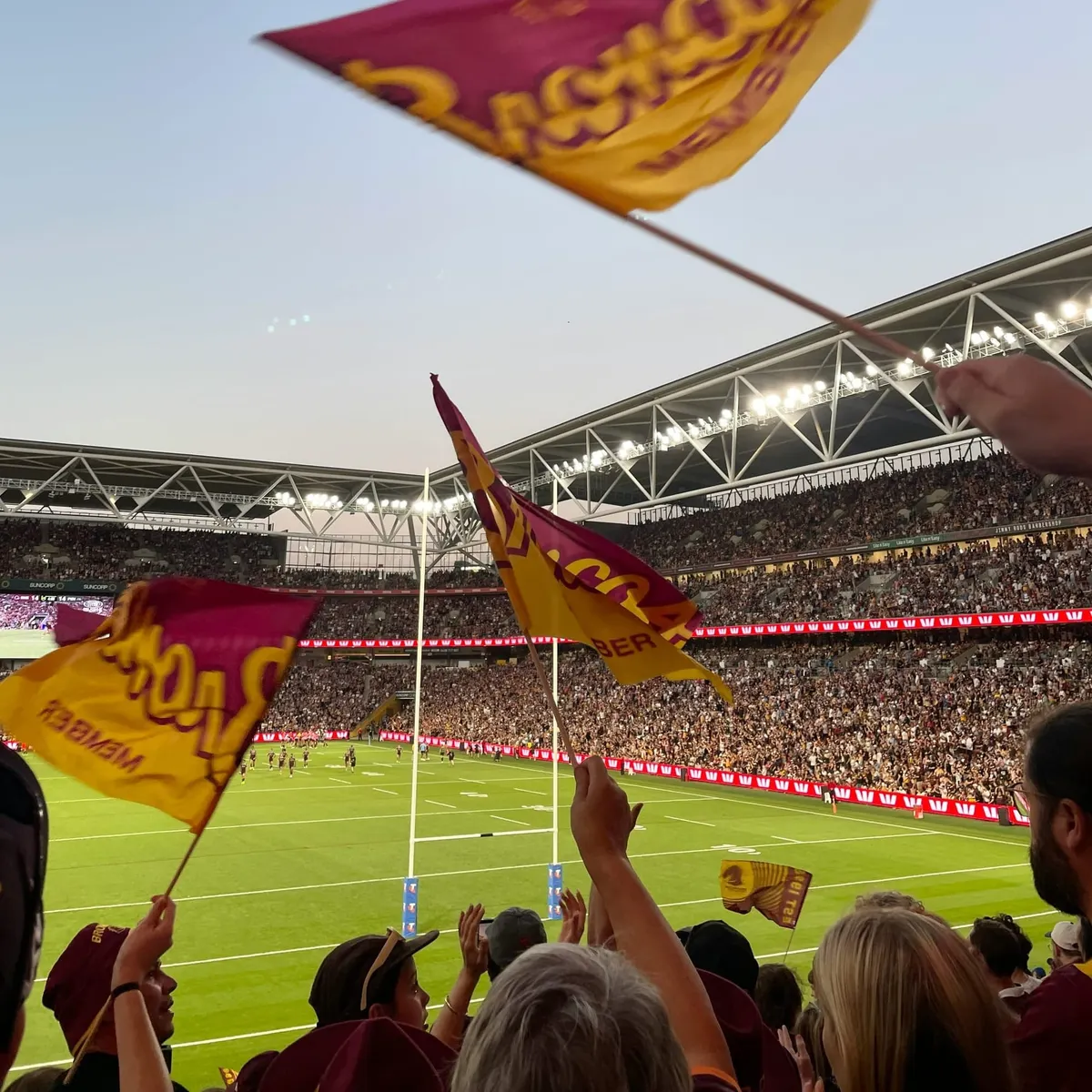
Papua New Guinea will enter the NRL in 2028, giving the country its first team in Australia’s top rugby league competition. The announcement is about sport, but it is also about national identity, regional connection, tourism, infrastructure, youth pathways and PNG’s place in the South Pacific.
The announcement was made by Australian Prime Minister Anthony Albanese and PNG Prime Minister James Marape, with support from the Australian Rugby League Commission.
Rugby League is the PNG National Sport.
NRL reaches across provinces, languages, income levels and communities. It gives PNG a shared national stage in a way few institutions can. The Australian Government has framed the new team as part of a wider PNG-Australia partnership. The agreement includes support for a PNG team to enter the NRL no later than 2028, along with a Pacific Rugby League Partnership covering grassroots and elite pathways across PNG, Fiji, Samoa and Tonga. The partnership also targets school retention, health, nutrition, gender equality and youth leadership.
A successful PNG NRL team will need facilities, accommodation, training systems, transport links, security planning, broadcast capability, commercial partnerships and strong governance. It will also need a genuine development pathway for PNG players, coaches, staff and administrators. That is where the story becomes bigger than sport.
PNG’s NRL entry creates a national platform for investment, skills development, tourism and civic pride. The Australian High Commission has described the franchise as a potential catalyst for economic growth, jobs, tourism and PNG’s national brand. It also confirmed an interim board to guide the franchise toward its 2028 entry. The challenge now is delivery. PNG has the passion. The task now is to convert that passion into a professional institution that can compete, endure and represent the country with credibility.
The Opportunity Should also Open the Door for the Wider South Pacific.
Fiji, Samoa and Tonga already produce elite rugby league talent. The new Pacific Rugby League Partnership recognises that the region’s playing strength is not limited to one country. Over time, the PNG team may become the first step toward a more serious South Pacific presence in professional rugby league, through future clubs, women’s teams, feeder programs, regional academies or shared development competitions.
That ambition should be treated carefully. Not every Pacific nation has the population, infrastructure or commercial base to support an NRL franchise. But the principle is sound. The Pacific is not a talent source for others to extract from. It is a region capable of building its own sporting institutions.
PNG’s 2028 NRL entry is the start of that argument.
See the next steps Pacific Infrastructure Group will take in covering this story
A Contributor is gathering more details on this story for you and will publish more on this in the near future.
We will publish an update shortly.